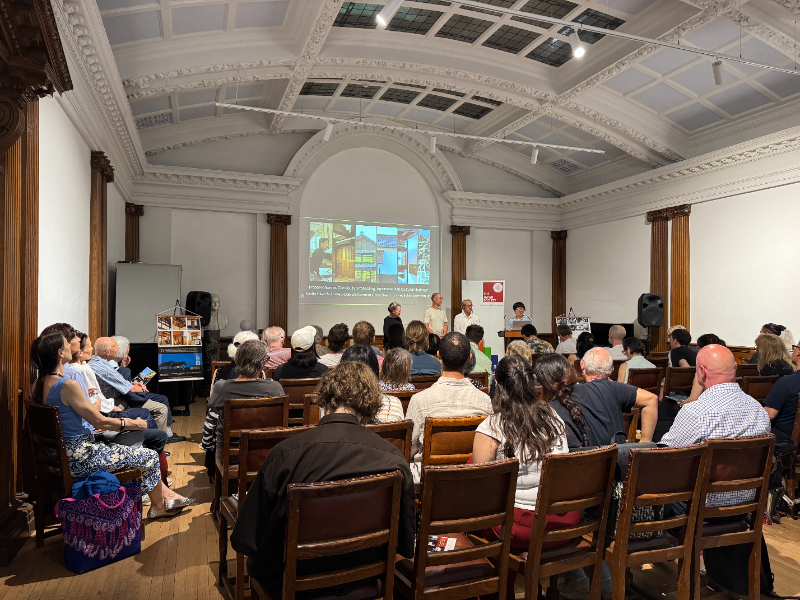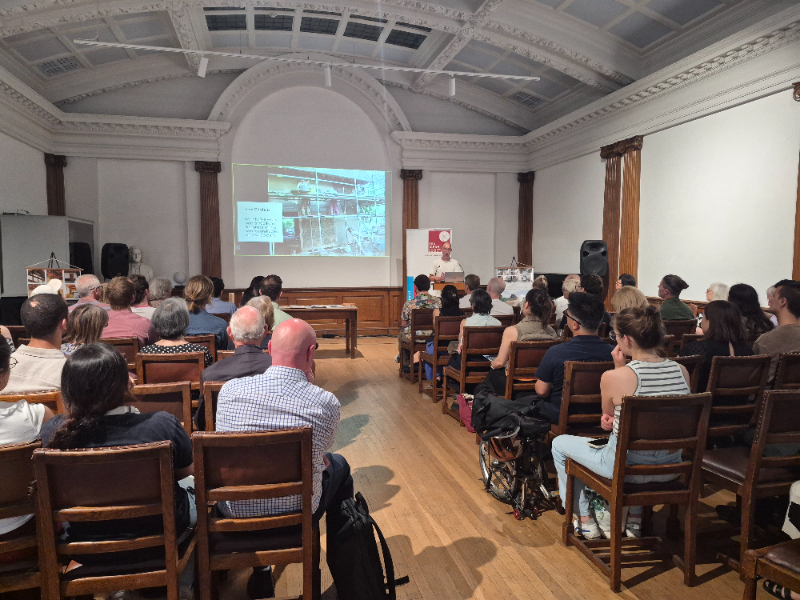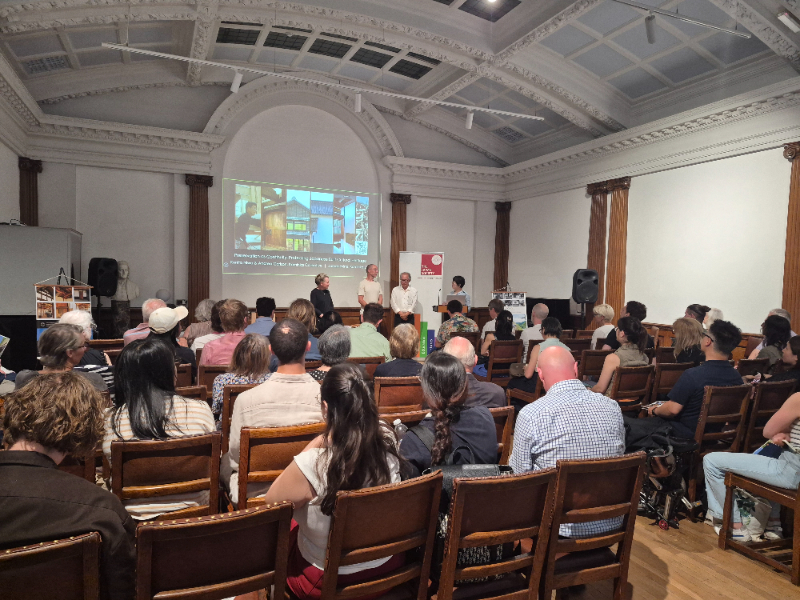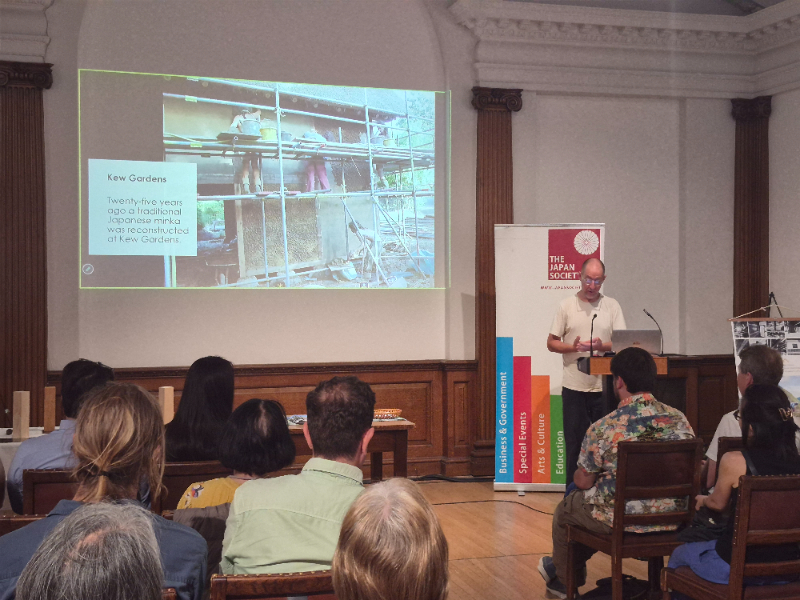

Preservation as Continuity: Protecting Japanese Built Cultural Heritage - Photos
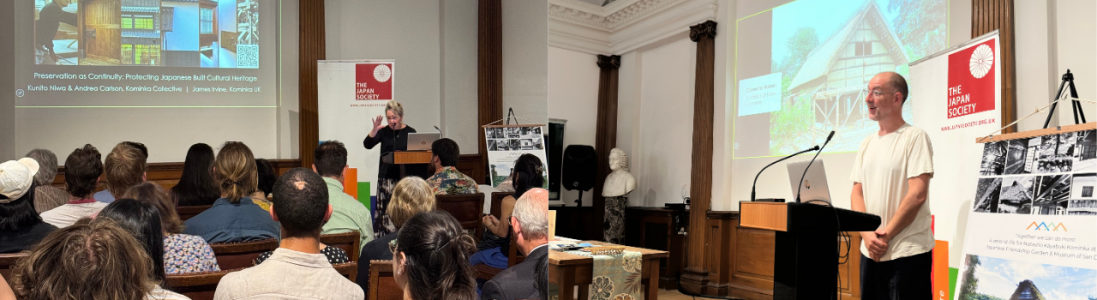
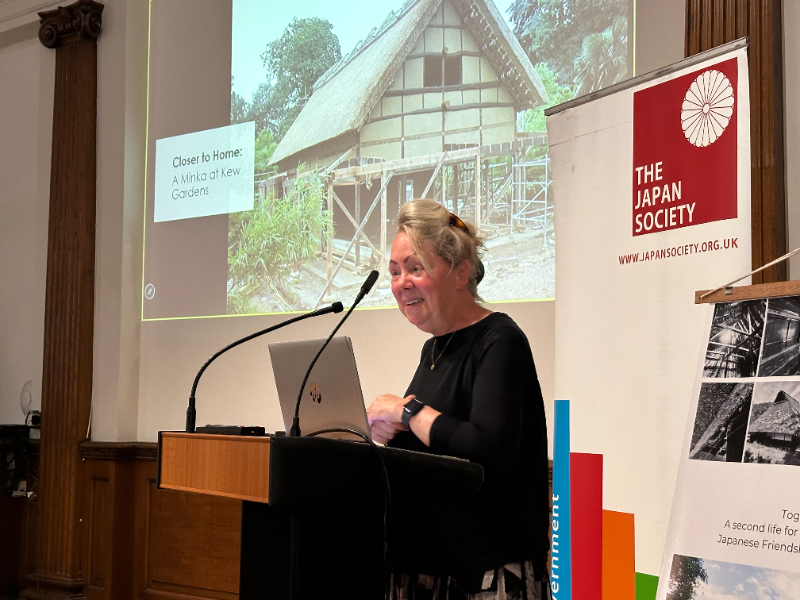
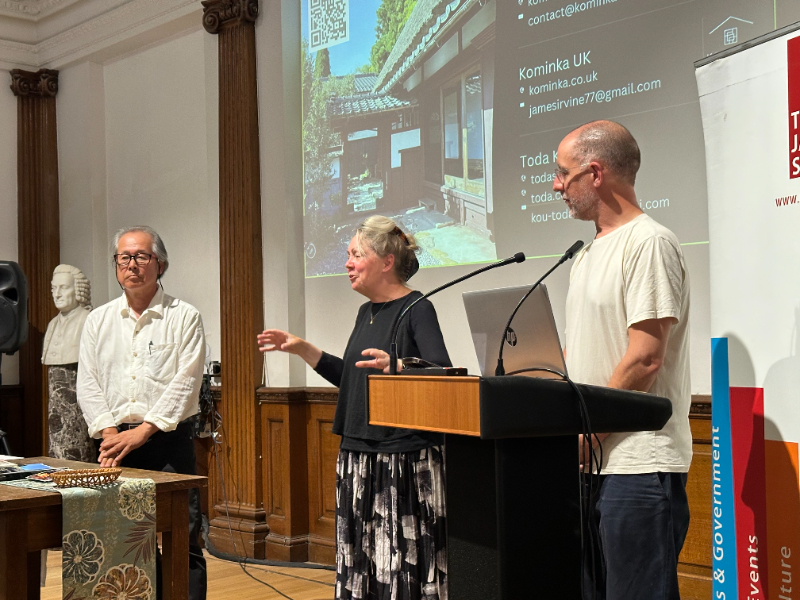
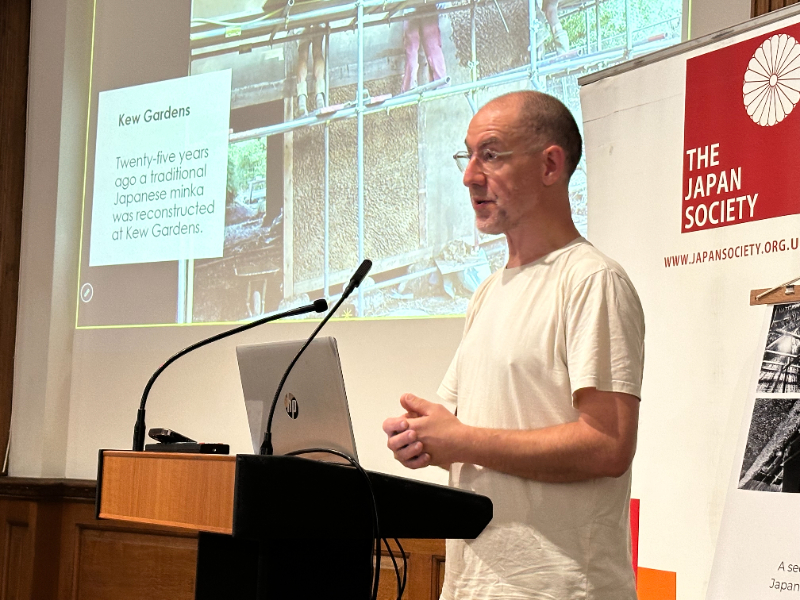
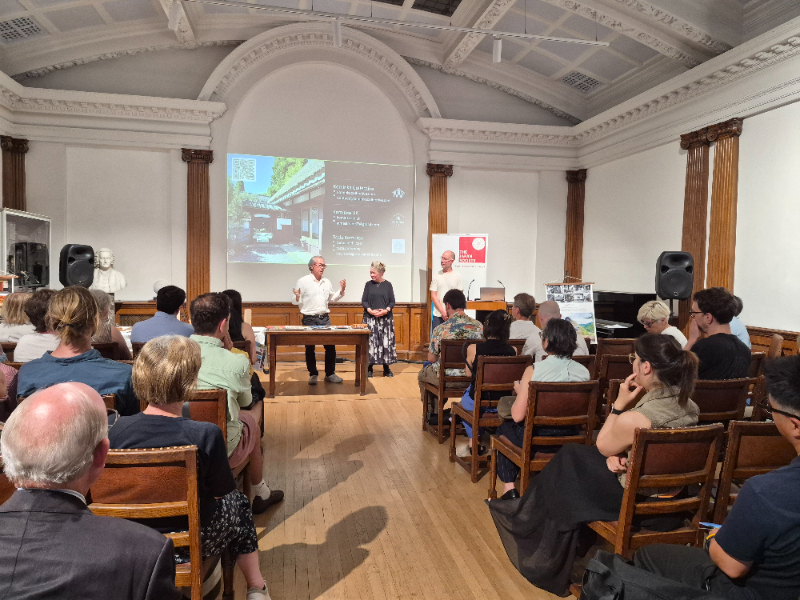
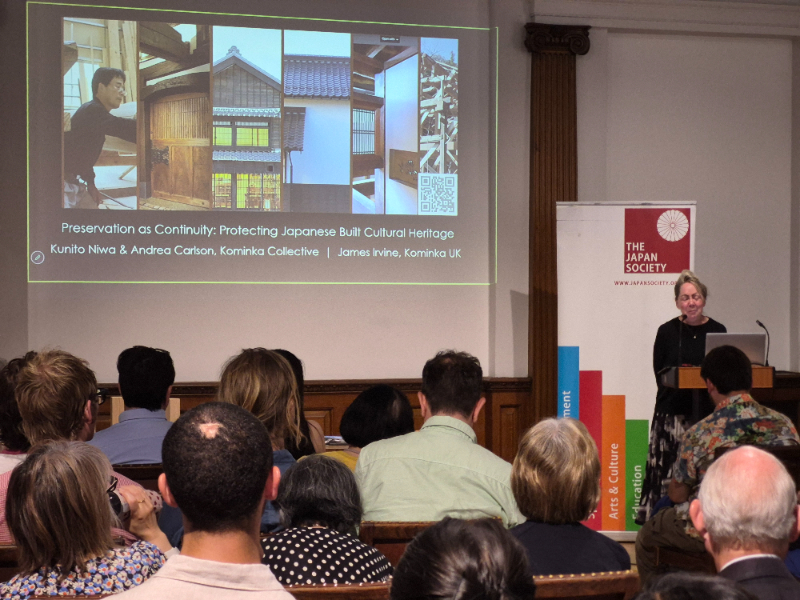
On Monday 6 July 2026, we welcomed, Andrea Carlson, Kunito Niwa, and James Irvine of Kominka Collective, who explored Japan’s built cultural heritage and the growing challenges faced by kominka, kura (storehouses), temples, shrines, and other historic wooden structures. Drawing on the Kominka Collective’s work in preservation, stewardship, relocation, research, and education in Japan and overseas, our speakers discussed traditional building methods, rural life, adaptive reuse, and ongoing efforts to help save these endangered structures. Combining practical experience with broader cultural perspectives, the talk offered insight into the importance of preserving not only historic buildings, but also the knowledge, craftsmanship, and communities connected to them.
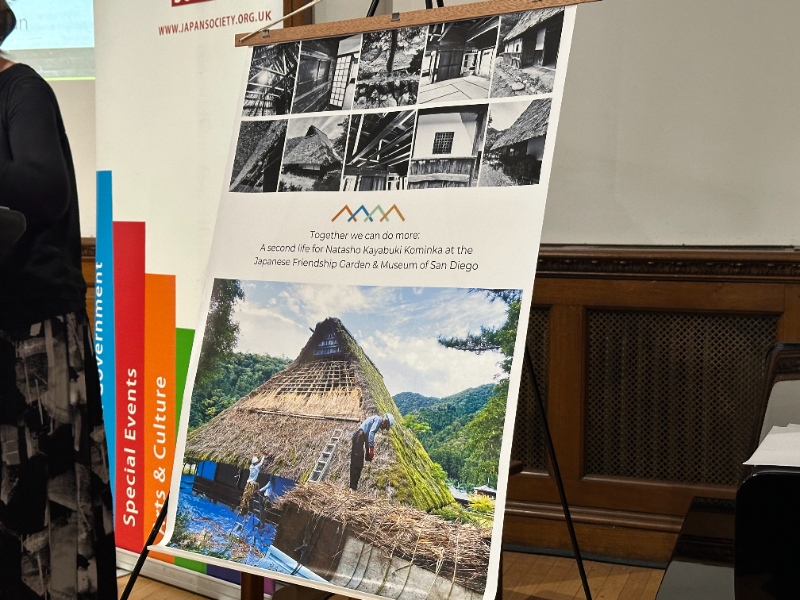
Kominka are traditional Japanese farmhouses, generally understood as older rural houses often built more than 50 years ago. Though the term has no single strict definition, kominka are valued for their craftsmanship, local materials, and harmony with the surrounding environment, and they stand as important reflections of Japan’s architectural traditions, rural life, and respect for nature.
Andrea Carlson is one of the founders of the Kominka Collective, a Japan-based non-profit dedicated to preserving and revitalising traditional Japanese architecture that works closely with Toda Komuten, a fifth-generation design-build company specialising in traditional Japanese construction and preservation. The Kominka Collective supports in-place stewardship, coordinates the relocation and reuse of endangered kominka and other traditional structures, and promotes the reuse of reclaimed materials. Its work also includes educational programmes, artisan-led workshops, cultural exchange activities, research and documentation, and architectural study tours with the Timber Framers Guild, as well as hosting an annual Cultural Heritage Fellow. Andrea is a Visiting Researcher in the Anthropological Institute at Nanzan University and serves as Director of Programs and Initiatives at the Minka Preservation Society in Japan.
Kunito Niwa is a founding member and Director of Kominka Collective, an organization dedicated to the preservation, documentation, study, and continued life of Japan's traditional architectural heritage. He oversees the coordination and management of the organization's domestic and international projects, including logistics, scheduling, and communication between craftspeople in Japan and partners overseas. Working closely with Toda Komuten, Kominka Collective Inc., Kominka North America, and an international network of specialists, he helps guide projects involving the preservation, relocation, faithful reconstruction, and adaptive reuse of traditional Japanese buildings. His work fosters international collaboration, cultural exchange, and the transmission of traditional knowledge and craftsmanship to future generations.
James Irvine is an architect and craftsperson based in the United Kingdom whose work focuses on traditional building crafts, heritage conservation, sustainable construction, and the adaptive reuse of historic structures. He works to connect architects, craftspeople, educators, and preservation organizations through projects, workshops, study visits, and educational initiatives related to traditional architecture and the building arts. As founder of Kominka UK, he supports cultural exchange and collaboration between the United Kingdom and Japan, helping to foster greater appreciation for traditional craftsmanship, historic buildings, and the knowledge embodied within them. His work reflects a strong commitment to stewardship of the built environment and to ensuring that traditional skills and practices continue to inform contemporary architecture and community life.
This event was generously supported by the Toshiba International Foundation (TIFO).