Eight Million Ways to Happiness: Find your own way to inner peace with the wisdom of Japan
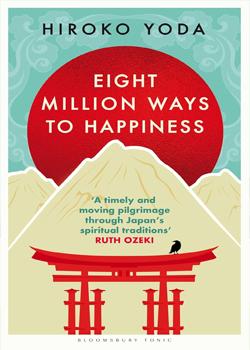
By Yoda Hiroko
Bloomsbury Tonic (2026)
ISBN-13: 978-1526672162
Review by Laurence Green
When I was studying Japanese religion as part of my Master’s degree, nearly a decade ago, this is the book I wish I’d had. Back then, your choice was limited - while there were an ample number of impressive scholarly treatments of Japanese religion and spirituality, these were often either incredibly specialist, pricey, or confined to niche academic journals. Something aimed at the general reader was hard to come by, and once I finished the course, I always struggled to recommend a single book to others who asked me for a recommendation on the topic. Now I know the answer.
In case you’re wondering, the Eight Million in the book’s title comes from the yaoyorozu no kami, or the Eight Million gods that are said to be found in Japan, in everything from a grain of rice to the trees, water and rocks that make up the country’s landscape. Yoda Hiroko, a certified Shinto cultural historian - who has previously co-authored a number of books with her husband Matt Alt on Japanese folklore - is our guide here, taking us through why precisely it is that so many Japanese proclaim to be non-religious, and yet one cannot walk through Japan without seemingly encountering a shrine or temple at every step.
Unpicking the differences and co-existences of the native Shinto and the imported Buddhism, the book’s first section also throws the intriguing, syncretic Shugendo into the mix (think aesthetics hiking mountain trails, and standing under waterfalls), before diving into more specific sub-themes in its second and third segments. One of the most striking chapters comes on the theme of funerals, and how they are inextricably tied up with commercialism in Japan, and the at times almost overbearing need to purchase a high-status kaimyo (posthumous Buddhist name) for the deceased. These can run into the millions of yen.
All the topics are vividly illustrated with anecdotes and explanations from the author’s own life, and it is this attention to detail and pacing which allow often weighty, existential topics to sink in. Concepts like hanshin-hangi, the idea of “belief without belief”, sound like something out of a brick-sized philosophy textbook, but here they’re made real, and empathetic. Here, for example, Yoda introduces the ubiquitous omamori charms that surely every tourist to Japan has purchased at one point or other. Do they really work? Does anyone really “believe” in them, and does it even matter if we do? The book offers as good an unpacking of this tricky topic as any I’ve read.
Crucially, this book is not prescriptive. Although there are unsurprisingly mentions of the likes of Kondo Marie, shinrin-yoku (forest bathing) and other hot-topic Japan trends, this is not a do-it-yourself how-to guide on getting into touch with your inner kami, thankfully. It is simply a presentation of the many facets to what make up the topic of spirituality in Japan - even touching, albeit briefly, on New Religions and itako (blind, elderly mediums who commune with the dead).
One word of warning. Though this book is ultimately at its core an overview of Japanese spirituality, it is also in equal measures a deeply personal coming to terms for the author with the death of their parents, and how they processed that grief. While their candidness in openly approaching this topic within the text is to be applauded, and creates a powerful through-narrative between the various chapters and themes, for readers who perhaps aren't keen on such an overt reminder of the inherent mortality all humans face eventually, it's worth saying this book is best saved for times when you're ready and primed to tackle material that deals with these important, but undoubtedly poignant themes.
The adage often trotted out about Japan is that you're born Shinto, marry as a Christian, and die Buddhist. This book covers all bases, and goes a long way to getting to the heart of why all three can co-exist within the life of an average Japanese person. You get the backstory behind contemporary customs, but also an important dispelling of myths and misconceptions - the author's note on the increase in those outside Japan calling themselves “Shintoist”, or believing in “Shintoism” is a particularly interesting tangent, and another sign of the rising interest in Japanese spirituality beyond the country's own borders, just as Zen Buddhism proved to be such an importable concept within the Western counter-culture of the 1960s.
I went into this book thinking it would be another in a long line of Japanese “lifestyle” guides, touting tips from concepts ranging from ikigai to wabi-sabi and how to apply them to your own life. But instead, Eight Million Ways To Happiness is much more than that. As an entry point and companion to Japan's unique cocktail of spirituality, the book is easily one of the most accessible out there, and if it grabs you like it did me, you'll speed through it, sold on the pathos and depth by which it conveys the awe and respect for the customs and practices that exist in that space between culture and outright religiosity in Japan.